Hanukkah, often referred to as the Festival of Lights, holds a special place in Jewish tradition and culture. This eight-day celebration is marked by lighting the menorah, enjoying traditional foods, and embracing community gatherings. If you are wondering when is Hanukkah in 2026, it is important to understand that the festival follows the Hebrew calendar, which differs from the Gregorian calendar used in most of the world. The exact dates shift each year, but the essence of the holiday remains constant: commemorating the miracle of the oil that lasted eight days in the rededication of the Second Temple in Jerusalem. Whether you are new to Hanukkah or looking to plan ahead, understanding its timing and observances is key.
For families, communities, and travelers, knowing when is Hanukkah in 2026 can help plan celebrations, purchase gifts, and prepare meals. Beyond mere dates, Hanukkah is a time of spiritual reflection, joyful gatherings, and cultural traditions that strengthen Jewish identity. Celebrating the holiday requires both awareness of the calendar and appreciation for the rituals that define it. In this comprehensive guide, we will explore the dates, history, customs, and modern observances of Hanukkah 2026, offering practical insights and historical context for a richer understanding of the festival.
Exact Dates of Hanukkah in 2026
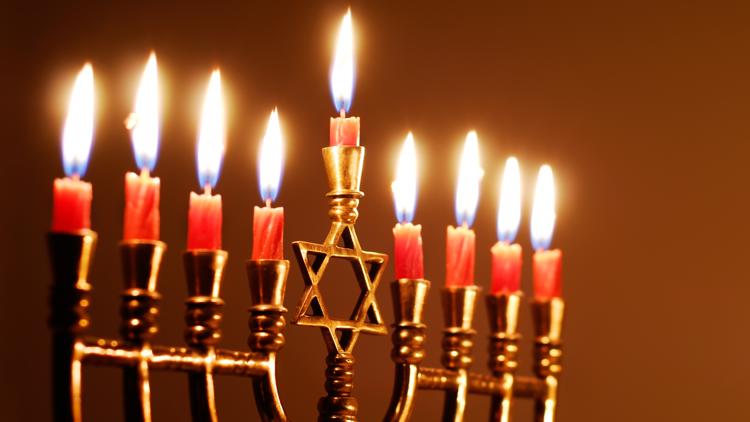
In 2026, Hanukkah begins on the evening of Sunday, December 20, and concludes on the evening of Monday, December 28. Like all Jewish holidays, Hanukkah starts at sundown and follows the Hebrew calendar, which is lunisolar. This means that while the festival generally falls in late November or December, the Gregorian dates vary annually. The first night of Hanukkah is significant because it is when the menorah is first lit, marking the beginning of the eight-day celebration. Each subsequent night adds one more candle until the menorah is fully illuminated on the eighth night.
Understanding the exact timing helps families and communities prepare for observances, from menorah lighting to festive meals. Schools, workplaces, and synagogues often schedule events and educational programs around these dates. By knowing when is Hanukkah in 2026, participants can coordinate travel, purchase gifts, and plan gatherings in advance. This ensures that the holiday’s spiritual and cultural significance is fully honored while allowing everyone to partake in its joyous rituals.
Historical Significance of Hanukkah
Hanukkah commemorates a pivotal moment in Jewish history: the rededication of the Second Temple in Jerusalem in 165 BCE. During this period, Jewish rebels known as the Maccabees successfully reclaimed the temple from Greek-Syrian control. The miracle central to Hanukkah is the story of a small flask of oil, enough for only one day, that burned for eight nights in the temple’s menorah. This event symbolizes resilience, faith, and the enduring spirit of the Jewish people. It is a powerful reminder of overcoming adversity and celebrating cultural identity.
The historical context of Hanukkah enhances its modern observance, connecting contemporary celebrations with centuries-old traditions. Families and communities honor this legacy through rituals, prayers, and storytelling. The menorah, dreidel games, and traditional foods like latkes and sufganiyot are not merely festive elements—they are embodiments of historical memory. By exploring the history of Hanukkah, participants deepen their understanding of the holiday’s significance and the profound meaning behind the question, when is Hanukkah, beyond just its calendar placement.
Traditional Customs and Rituals
One of the most recognizable customs of Hanukkah is the lighting of the menorah, a nine-branched candelabrum. Each night, a new candle is added until all eight candles, plus the shamash (helper candle), are lit. This ritual is often accompanied by prayers and songs that celebrate the miracle of the oil and the perseverance of the Jewish people. Families typically place the menorah in a window to publicly proclaim the miracle and invite neighbors to share in the celebration. These practices blend spirituality, family bonding, and public acknowledgment of faith.
Food also plays a central role in Hanukkah traditions. Fried foods such as potato latkes and jelly-filled doughnuts honor the miracle of the oil, while sweet treats like chocolate gelt add a playful element. Gift-giving, storytelling, and playing with the dreidel—a four-sided spinning top marked with Hebrew letters—are other customary activities. Each ritual, whether culinary, recreational, or devotional, contributes to a rich tapestry of observances that define Hanukkah. Recognizing these customs provides practical context when determining when is Hanukkah in 2026 and planning celebrations accordingly.
Modern Observances Around the World
Hanukkah has evolved into a global celebration, observed by Jewish communities and embraced in cultural contexts beyond religious practice. In cities around the world, public menorah lightings, concerts, and educational programs highlight the holiday’s universal themes of light, freedom, and perseverance. While maintaining traditional rituals, modern observances often incorporate community outreach, interfaith participation, and festive entertainment. This adaptability has helped Hanukkah remain relevant and widely celebrated, resonating with both younger generations and the broader public.
Contemporary observances also extend to digital platforms and social media, allowing families and friends separated by distance to participate virtually in menorah lighting or festive activities. Schools and workplaces increasingly recognize Hanukkah through holiday programs and inclusive events, helping children and colleagues learn about Jewish culture. By understanding the evolving ways in which Hanukkah is celebrated, one can appreciate not just when is Hanukkah, but how its enduring values continue to inspire communities worldwide.
Planning for Hanukkah in 2026
Knowing when is Hanukkah in 2026 allows for careful planning and meaningful participation. Families can prepare by purchasing menorahs, candles, and gifts, while grocery shopping for traditional foods ensures that celebratory meals are ready. Community centers and synagogues often host public events, making early scheduling essential. For travelers, awareness of the dates is crucial, as many flights, accommodations, and local events can be impacted by holiday schedules. Proper planning ensures that the spiritual and cultural significance of Hanukkah is fully embraced without unnecessary stress or logistical issues.
In addition to logistical preparation, thoughtful planning enhances the holiday experience. Families may schedule time for storytelling, educational activities, and charitable acts, which are integral to Hanukkah’s spirit of reflection and generosity. By aligning calendars, resources, and social commitments, participants can create a balanced approach that honors tradition while fostering joyful celebration. Planning in advance transforms Hanukkah from a series of tasks into a meaningful, enriching experience that resonates with the festival’s enduring message of light, hope, and resilience.
Conclusion: Embracing the Spirit of Hanukkah
Hanukkah 2026 promises to be a time of reflection, celebration, and connection. By knowing the precise dates—from the evening of December 20 to the evening of December 28—families and communities can prepare meaningful observances and honor the festival’s rich traditions. From lighting the menorah to sharing festive meals, Hanukkah is both a historical commemoration and a contemporary celebration of faith, resilience, and cultural identity. Understanding when is Hanukkah is the first step toward fully participating in its timeless rituals and shared joy.
Ultimately, Hanukkah is more than a calendar event—it is a celebration of light, hope, and enduring cultural heritage. By embracing both its history and modern expressions, participants can deepen their appreciation for Jewish traditions and the universal themes they represent. Whether through community gatherings, personal reflection, or festive rituals, Hanukkah continues to inspire joy, unity, and resilience. Planning ahead ensures that 2026’s Festival of Lights will shine brightly, honoring centuries of tradition while creating new memories for generations to come.
About the Author