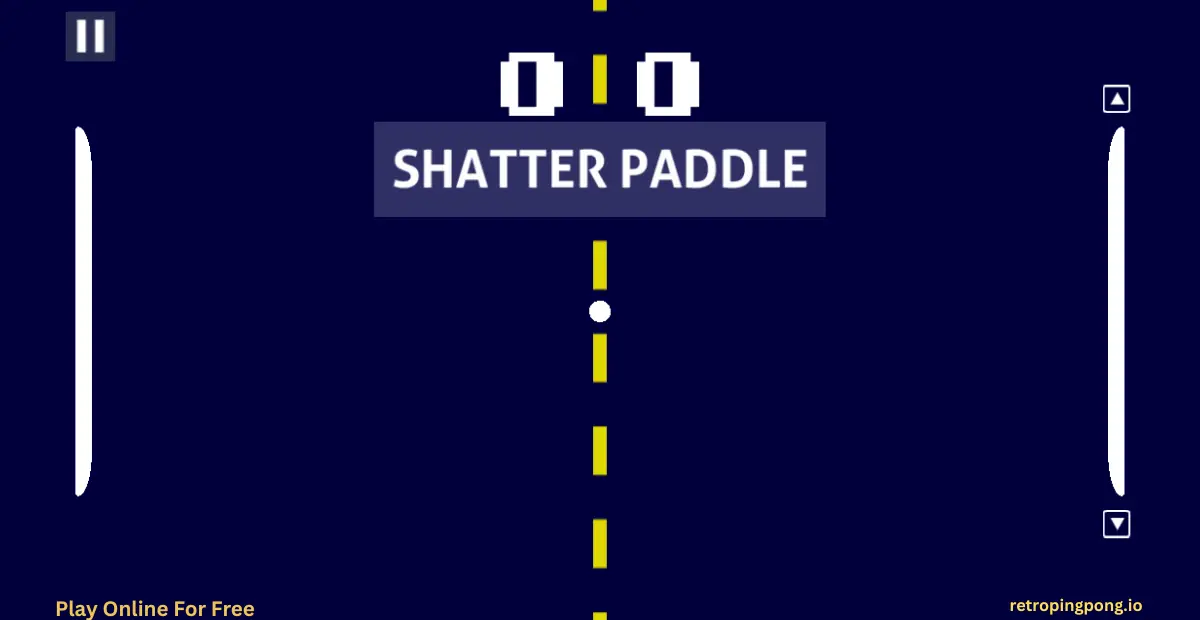
retro ping pong
Table tennis has evolved far beyond the traditional sport played in school gyms and local recreation centers. Among the myriad ways enthusiasts enjoy this timeless game, retro ping pong has emerged as a unique niche that blends classic gameplay with the charm of vintage arcade aesthetics. Unlike modern digital versions that prioritize sleek graphics and complex simulations, retro ping pong captures the essence of old-school arcade fun while maintaining the competitive thrill of table tennis. This convergence of nostalgia and skill makes it appealing not only to seasoned players but also to casual gamers seeking a retro gaming experience.
Retro ping pong stands out due to its distinctive presentation, including pixelated graphics, neon color palettes, and simple, addictive gameplay mechanics. These elements create an immersive experience reminiscent of the golden era of arcade gaming. While some may perceive retro-style games as outdated, retro ping pong proves that simplicity can be compelling, allowing players to focus entirely on timing, reflexes, and precision. For anyone exploring classic gaming experiences with a competitive twist, retro ping pong delivers an unmatched combination of accessibility and nostalgia.
The Origins of Retro Ping Pong
The roots of retro ping pong trace back to the earliest days of digital gaming in the 1970s. One of the first widely recognized video games, Pong, introduced players to a digital interpretation of table tennis using simple vertical paddles and a bouncing dot. This primitive yet revolutionary game laid the foundation for modern table tennis video games. Retro ping pong draws inspiration from this era, maintaining the same straightforward mechanics while incorporating modern enhancements that enhance visual appeal and gameplay fluidity. By revisiting these origins, players gain a deeper appreciation for the evolution of table tennis from physical tables to digital arenas.
Over the decades, retro ping pong has developed into a niche genre that celebrates both history and gameplay simplicity. Many retro-themed versions pay homage to the original arcade experience with pixelated graphics and authentic sound effects. These games not only appeal to nostalgia seekers but also serve as educational tools, illustrating how minimalistic design can still engage users effectively. Retro ping pong bridges the gap between vintage gaming culture and contemporary table tennis enthusiasts, creating a playful yet challenging environment for all age groups.
Gameplay Mechanics of Retro Ping Pong
At its core, retro ping pong retains the fundamental principles of table tennis: two players control paddles to volley a ball back and forth across a digital table. What sets retro versions apart is their focus on pure reflexes and timing, rather than elaborate graphics or storylines. The gameplay typically emphasizes quick responses, precision control, and strategic positioning. Power-ups, customizable paddle sizes, or ball speed variations may occasionally be included, but the essence remains the same—a high-speed, addictive ping pong simulation designed to test skill rather than overwhelm players with visual complexity.
Another hallmark of retro ping pong is its intuitive control scheme. Unlike modern table tennis simulators that require complex input combinations, retro versions rely on simple key presses or joystick movements. This design encourages players to focus entirely on gameplay strategy, positioning, and reaction speed. Additionally, retro ping pong often incorporates local multiplayer modes, enhancing social interaction and competitive fun. By emphasizing mechanics over aesthetics, retro ping pong offers an experience that is both accessible to newcomers and deeply rewarding for seasoned players.
The Visual and Audio Appeal of Retro Ping Pong
Visual aesthetics play a significant role in the charm of retro ping pong. These games frequently use pixel art graphics, vibrant neon colors, and minimalist table designs to evoke the nostalgic ambiance of 1980s and 1990s arcades. The simplicity of the visuals is a deliberate choice, allowing players to concentrate on gameplay while still enjoying a playful, immersive environment. The retro-inspired interface also fosters a sense of familiarity and comfort, particularly for gamers who grew up during the arcade era, blending memory-driven appeal with engaging entertainment.
Audio design complements the visual experience in retro ping pong. Classic sound effects, such as bleeps, bloops, and digital paddle hits, create an auditory nostalgia that enhances gameplay immersion. These sounds are often rhythmic and repetitive, stimulating both focus and excitement during matches. The combination of visual and auditory elements contributes to a cohesive retro atmosphere, where the sensory experience mirrors the simplicity and joy of early digital gaming. By balancing aesthetics and function, retro ping pong delivers a truly captivating arcade-inspired experience.
Why Retro Ping Pong Appeals to Modern Gamers
Modern gamers are often drawn to retro ping pong for its straightforward yet addictive gameplay. In an era dominated by hyper-realistic simulations and intricate storylines, retro ping pong offers a refreshing alternative. Its emphasis on skill, timing, and reflexes appeals to competitive players who enjoy mastering a straightforward system. Additionally, retro ping pong provides a low-barrier entry point for casual gamers, making it ideal for quick sessions without the need for significant prior knowledge or investment in learning complex controls.
The nostalgia factor also plays a crucial role in retro ping pong’s appeal. Many players seek games that evoke memories of arcade halls, pixelated graphics, and simpler digital interactions. Retro ping pong satisfies this desire by preserving the core elements of early video games while offering modern enhancements, such as smoother animations and responsive controls. This blend of old and new allows both younger players and veterans to appreciate the game’s charm, creating a cross-generational experience that is rare in contemporary gaming.
Tips for Excelling in Retro Ping Pong
Mastering retro ping pong requires focus, precision, and strategic thinking. First, players should prioritize mastering paddle control and ball timing. Since retro ping pong often features simplified mechanics, small adjustments in paddle positioning can make the difference between winning and losing points. Practicing consistent ball placement and anticipating opponent moves are critical skills that contribute to long-term success. Additionally, understanding ball speed variations and reaction patterns helps players gain a competitive edge in both single-player and multiplayer modes.
Another effective strategy is to leverage the psychological aspects of gameplay. Since retro ping pong often relies on quick reflexes, maintaining composure under pressure is essential. Players should also study opponents’ patterns to exploit weaknesses and develop tactical responses. Incorporating short bursts of practice into daily routines can improve hand-eye coordination and reaction times, enhancing overall performance. By combining mechanical precision with strategic insight, players can fully appreciate the skill-based challenges that retro ping pong offers.
The Future of Retro Ping Pong in Gaming Culture
Despite being inspired by early digital gaming, retro ping pong continues to evolve within modern gaming culture. Developers are increasingly incorporating online multiplayer modes, tournament features, and leaderboard systems while maintaining the nostalgic arcade aesthetic. This evolution allows retro ping pong to compete alongside contemporary titles, offering both competitive depth and casual entertainment. The genre’s adaptability ensures its continued relevance, appealing to both traditionalists and tech-savvy gamers seeking a retro-inspired digital escape.
Moreover, retro ping pong is becoming a part of educational and cognitive development tools. Its emphasis on reflexes, hand-eye coordination, and strategic thinking aligns with research on skill-building in digital gaming. As a result, retro ping pong is not only a source of entertainment but also a means to enhance cognitive abilities. The enduring popularity of this genre reflects a broader cultural appreciation for nostalgia, simplicity, and skill-driven gameplay, positioning retro ping pong as a timeless component of gaming heritage.
Conclusion: Embracing the Retro Ping Pong Experience
In conclusion, retro ping pong offers a perfect blend of nostalgia, skill, and arcade-inspired fun. By combining classic table tennis mechanics with vintage digital aesthetics, it creates a unique gaming experience that appeals to both casual players and competitive enthusiasts. Its simplicity, engaging visuals, and addictive gameplay ensure that players remain focused, entertained, and challenged. Retro ping pong exemplifies how revisiting the past can lead to innovative, timeless experiences in modern gaming.
Whether you are a veteran of the original arcade era or a modern gamer seeking a refreshing, skill-focused challenge, retro ping pong delivers an immersive and rewarding experience. By appreciating its history, mastering its mechanics, and embracing its vintage charm, players can enjoy a truly unique form of entertainment that bridges generations. Retro ping pong is more than just a game—it is a celebration of the enduring appeal of table tennis in both physical and digital forms.
About the Author