happy hanukkah
The festival of Hanukkah, also known as the Festival of Lights, is a time of joy, reflection, and unity for Jewish communities worldwide. Every year, families gather to celebrate this eight-day holiday with traditions that date back over two millennia. The story of Hanukkah commemorates the rededication of the Second Temple in Jerusalem and the miraculous oil that lasted eight days, symbolizing hope, faith, and resilience. Saying “happy Hanukkah” during this season extends warmth and goodwill, fostering a sense of shared cultural heritage and spiritual connection among friends and loved ones.
Beyond its historical significance, Hanukkah has evolved into a celebration of togetherness and family bonding. It offers an opportunity to reflect on values of perseverance, generosity, and gratitude, while engaging in customs that bring light and joy into everyday life. From lighting the menorah to enjoying traditional foods and games, each practice reinforces the message of hope and continuity, making the greeting “happy Hanukkah” more than a simple salutation—it is an expression of shared meaning and communal joy.
The Origins and Significance of Hanukkah
Hanukkah has its roots in the Maccabean revolt against the Seleucid Empire in the 2nd century BCE. When the Jewish people reclaimed the Second Temple, they sought to purify and rededicate it, finding only a single vial of consecrated oil that miraculously lasted eight days. This miracle is central to the celebration, representing divine intervention, resilience in adversity, and the triumph of light over darkness. By understanding these origins, individuals can connect more deeply to the spiritual essence of the holiday and appreciate the enduring legacy of Jewish history.
Celebrating Hanukkah goes beyond historical remembrance; it embodies the ongoing commitment to faith, tradition, and community. Lighting the menorah each night serves as a tangible reminder of the light that perseveres despite challenges. By wishing someone a “happy Hanukkah,” one acknowledges the cultural richness, shared identity, and collective memory that the holiday preserves, emphasizing the continuity of Jewish values and the beauty of celebrating tradition together.
Traditional Hanukkah Practices and Customs
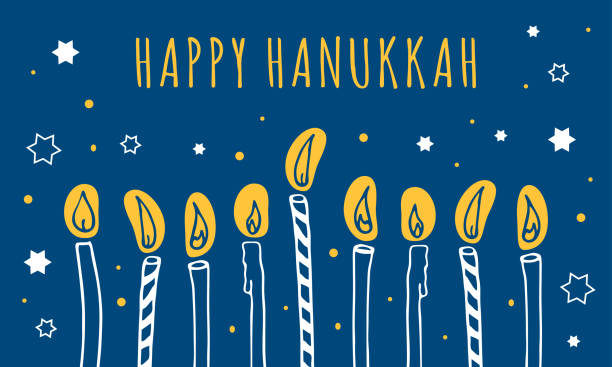
Lighting the menorah is the most iconic Hanukkah tradition, involving the sequential illumination of nine candles over eight nights. Each candle symbolizes a night of the miracle, while the central shamash candle is used to light the others. Families often gather for this ritual, reciting blessings, singing songs, and sharing reflections. This practice reinforces familial bonds and spiritual mindfulness, creating an atmosphere of warmth and reverence. The simple act of saying “happy Hanukkah” during or after the lighting strengthens these connections, celebrating the joy and significance of the festival.
Other beloved customs include playing the dreidel, a four-sided spinning top with Hebrew letters, and preparing traditional foods such as latkes and sufganiyot. These activities are not only enjoyable but also imbued with symbolism, representing themes of perseverance, luck, and the miracle of the oil. Engaging in these practices allows individuals to immerse themselves fully in the holiday experience, while sharing a “happy Hanukkah” greeting emphasizes inclusion, togetherness, and cultural appreciation.
Hanukkah Cuisine: Symbolism and Celebration
Food plays a central role in Hanukkah, with each dish reflecting historical and symbolic meaning. Fried foods like latkes (potato pancakes) and sufganiyot (jelly-filled donuts) commemorate the miracle of the oil, serving as a delicious reminder of resilience and divine providence. Preparing and sharing these dishes fosters family unity and offers a hands-on way to connect with centuries-old traditions, making the holiday both educational and joyful. Saying “happy Hanukkah” while gathering around the table reinforces the communal spirit that defines the festival.
Beyond taste, Hanukkah cuisine encourages creative expression and intergenerational learning. Recipes are often passed down, with each family adding its unique touch to traditional fare. Cooking together strengthens familial ties, provides opportunities for storytelling, and imparts cultural knowledge to younger generations. Through food, celebration, and the heartfelt exchange of “happy Hanukkah” greetings, families transform historical remembrance into lived, tangible experiences that honor both heritage and togetherness.
Hanukkah Gifts and Acts of Kindness
Exchanging gifts has become an integral part of modern Hanukkah celebrations, symbolizing generosity, appreciation, and joy. While historically not a central feature of the festival, gift-giving reinforces bonds between family and friends and adds an element of excitement and anticipation to each night. Children often receive gelt, chocolate coins that reference the historical coinage of the time, while adults may exchange meaningful presents that celebrate thoughtfulness and connection. Sharing gifts while saying “happy Hanukkah” amplifies the sense of warmth and festive cheer.
Acts of kindness are equally vital, reflecting the holiday’s deeper values of compassion, gratitude, and community. Volunteering, donating to those in need, or simply offering words of encouragement strengthens social cohesion and fosters a culture of empathy. By combining thoughtful giving with heartfelt greetings of “happy Hanukkah,” individuals elevate the holiday beyond rituals, creating moments of genuine human connection and demonstrating the enduring relevance of Jewish ethical teachings.
Hanukkah in the Modern World
In today’s globalized world, Hanukkah is celebrated both traditionally and innovatively, adapting to contemporary lifestyles while retaining its spiritual core. Virtual gatherings, online menorah lighting ceremonies, and digital greetings allow families separated by distance to share in the festival’s joy. Social media has also popularized the use of “happy Hanukkah” across diverse communities, spreading awareness of Jewish culture and promoting inclusivity. This adaptability underscores the resilience and relevance of Hanukkah, demonstrating how ancient traditions can thrive in modern contexts.
Modern Hanukkah celebrations also embrace multicultural engagement, allowing individuals from different backgrounds to participate and learn. Educational programs, cultural events, and community festivals provide platforms for understanding the holiday’s history, customs, and significance. By incorporating traditional elements with contemporary approaches, the festival remains vibrant and accessible, reinforcing the values of unity, light, and hope that are at the heart of wishing someone a “happy Hanukkah.”
Conclusion: Celebrating Light, Tradition, and Togetherness
Hanukkah is more than an annual ritual; it is a celebration of history, resilience, and community. From the lighting of the menorah to the sharing of food, gifts, and songs, every practice embodies lessons of perseverance, faith, and joy. Saying “happy Hanukkah” encapsulates the spirit of the festival, connecting individuals through shared experiences, cultural pride, and heartfelt warmth. The holiday’s timeless message encourages reflection on the power of light, both literal and metaphorical, in illuminating our lives and relationships.
Embracing Hanukkah means honoring the past while fostering meaningful connections in the present. By participating in its traditions and expressing goodwill, we ensure that the values of hope, generosity, and togetherness continue to thrive. As families, friends, and communities unite, the simple greeting “happy Hanukkah” becomes a profound acknowledgment of shared humanity, cultural heritage, and the enduring joy of celebrating life’s miracles together.
About the Author