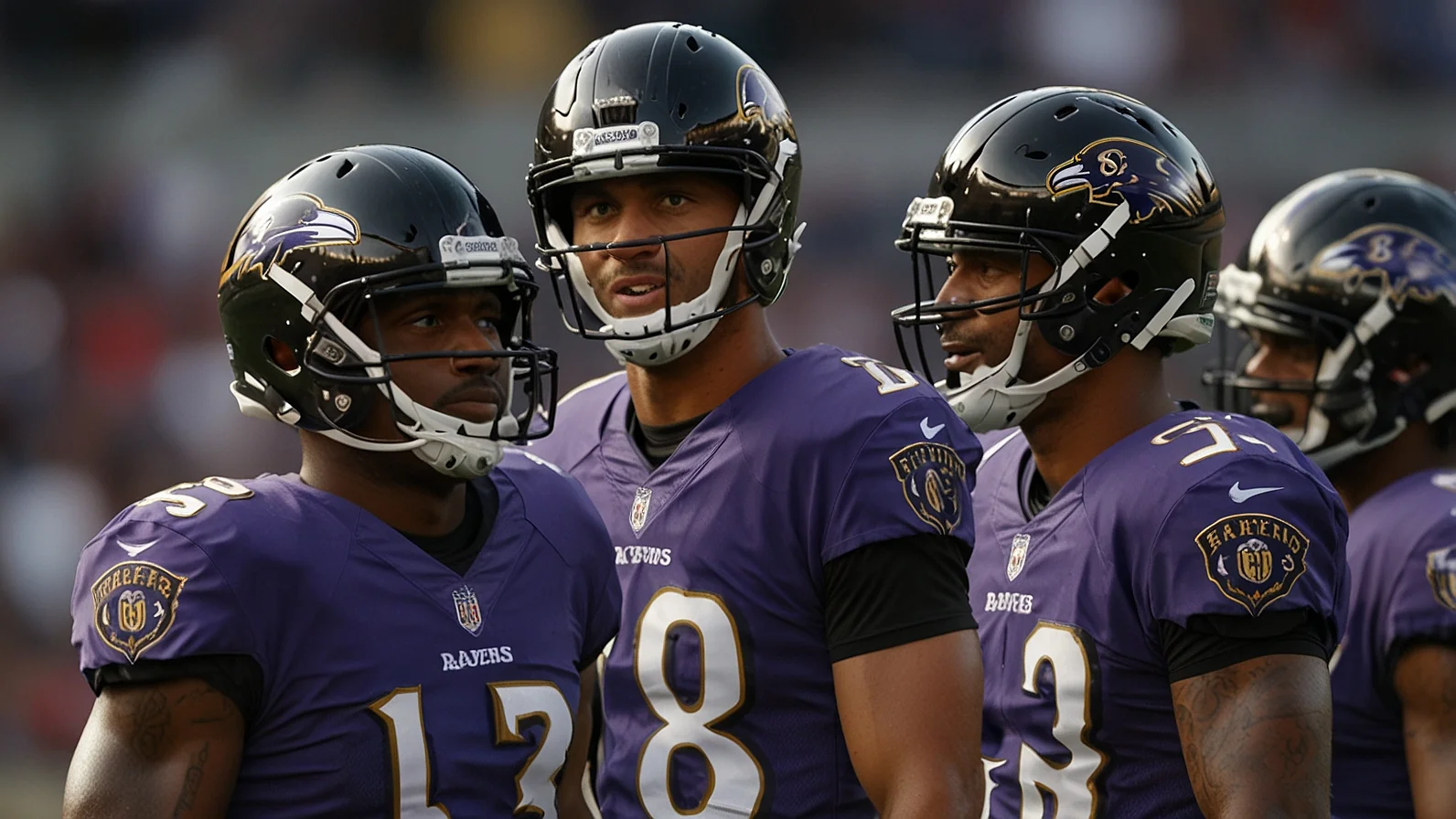
The highly anticipated Baltimore Ravens vs New York Giants match showcased an intense display of skill, strategy, and athleticism. Fans and analysts alike were eager to dissect the baltimore ravens vs new york giants match player stats to understand who truly influenced the outcome. Every yard gained, tackle made, and pass completed contributed to the complex narrative of the game. Both teams, boasting talented rosters and dynamic strategies, left no stone unturned in their pursuit of dominance. From explosive plays to subtle adjustments, this game was a masterclass in NFL-level competition.
In this article, we provide a detailed player performance analysis, highlighting standout contributors, statistical insights, and the tactical nuances that defined the clash. By examining the metrics behind each key play, we uncover how individual efforts intersected with team strategy to shape the final outcome. Whether you are a casual fan or a data-driven analyst, this breakdown will enrich your understanding of the match and reveal the pivotal moments that often go unnoticed by the casual observer.
Quarterback Mastery and Decision-Making
Quarterback performance often dictates the rhythm of an NFL game, and in the Ravens vs Giants match, both signal-callers delivered noteworthy contributions. The Ravens’ quarterback demonstrated poise under pressure, completing high-percentage throws and exploiting coverage mismatches. With a combination of arm strength and field vision, he consistently found open targets, converting critical third downs and extending drives. These key passes were complemented by minimal turnovers, a vital factor in maintaining momentum against a formidable Giants defense. Analysis of his completion percentage, passing yards, and touchdown-to-interception ratio provides a clear picture of his impact on the game.
Meanwhile, the Giants’ quarterback showcased resilience and adaptability, adjusting reads at the line of scrimmage to counter the Ravens’ aggressive pass rush. Despite facing intense defensive pressure, he delivered timely completions and orchestrated several scoring opportunities. His mobility proved crucial, allowing him to escape sacks and gain critical yards on designed runs. By cross-referencing the baltimore ravens vs new york giants match player stats, one can appreciate how his decision-making and execution kept the Giants competitive, highlighting the subtle yet significant influence of quarterback play on the match’s ebb and flow.
Running Back Production and Ground Game Impact
Running backs were central to controlling tempo in the Ravens vs Giants matchup. The Ravens’ lead back showcased explosive speed and vision, consistently finding gaps in the Giants’ defensive front. His contributions were not limited to rushing yards; he also played a critical role in screen passes and pass protection, demonstrating versatility that made him an indispensable component of the offensive strategy. Metrics such as yards after contact, average gain per carry, and red-zone efficiency underscore his significance in sustaining drives and alleviating pressure on the passing game.
On the Giants’ side, the running back corps displayed determination and physicality, challenging the Ravens’ defensive line with consistent north-south running. Though faced with a formidable front seven, he achieved several critical first downs, particularly on third-and-short situations. His ability to break tackles and maintain balance in traffic reflected both technique and preparation. Evaluating the baltimore ravens vs new york giants match player stats for rushing attempts, yards per carry, and explosive plays emphasizes how the ground game contributed to both field position strategy and overall offensive balance.
Wide Receiver and Tight End Performance
Wide receivers and tight ends played pivotal roles in stretching defenses and creating scoring opportunities. The Ravens’ receiving corps executed precise routes and exploited mismatches in coverage, translating into consistent yardage gains. One standout receiver emerged as a reliable target in key situations, particularly in the red zone, where his catching radius and situational awareness maximized scoring potential. Integrating reception totals, target share, and yards per catch into the analysis highlights the significance of these players in maintaining offensive rhythm and converting critical downs.
Similarly, the Giants’ receiving unit leveraged speed and route discipline to challenge the Ravens’ secondary. Tight ends contributed by securing intermediate passes and serving as blockers in the run game, demonstrating the multi-dimensional role of modern NFL offensive schemes. By examining the baltimore ravens vs new york giants match player stats, one can discern how timing, separation, and ball security influenced overall team efficiency. These performance metrics reinforce the narrative that receiving talent is instrumental in dictating both pace and scoring potential in high-stakes games.
Defensive Impact and Key Tackles
Defense often determines game outcomes by creating turnovers and limiting explosive plays. The Ravens’ defensive unit excelled in pressuring the Giants’ quarterback and disrupting timing patterns. Linebackers and defensive backs executed disciplined zone coverage and opportunistic blitzes, resulting in several tackles for loss and a critical interception. Analysis of tackles, sacks, and forced turnovers provides insight into how defensive execution can shift momentum and restrict scoring opportunities. Such defensive efforts were crucial in maintaining control during high-pressure situations.
The Giants’ defense displayed resilience, adjusting schemes to counter the Ravens’ versatile attack. Cornerbacks and safeties demonstrated anticipation and physicality, limiting big plays and forcing contested receptions. Strategic blitz packages created disruption in the backfield, highlighting the value of defensive adaptability. Reviewing baltimore ravens vs new york giants match player stats for defensive contributions reveals the nuanced ways defenders influenced field position, scoring chances, and overall team morale, underscoring defense as a decisive factor in NFL contests.
Special Teams Contributions
Special teams often operate under the radar but can decisively affect game outcomes. In this Ravens vs Giants matchup, both teams leveraged kick returns, punt coverage, and field goal accuracy to influence momentum. The Ravens’ return specialist provided explosive gains on kickoffs, establishing advantageous starting field positions that translated into scoring drives. Punting and coverage efficiency limited Giants’ field position, demonstrating how special teams directly impacted offensive and defensive strategies. Evaluating return yards, coverage efficiency, and field goal success rates highlights the overlooked yet critical role of these units.
The Giants also benefited from strong special teams execution, with precise placekicking converting key scoring opportunities. Effective punt coverage and disciplined blocking units minimized negative field position shifts, allowing the team to maintain competitiveness throughout the game. Analysis of the baltimore ravens vs new york giants match player stats in this domain reinforces the concept that special teams contribute significantly to overall game strategy, providing subtle advantages that can tip tightly contested matchups.
Conclusion: Key Insights from Player Stats
The Baltimore Ravens vs New York Giants match provided a rich tapestry of performance metrics that tell a compelling story beyond the final score. Quarterbacks, running backs, receivers, defenders, and special teams each played a crucial role, and the baltimore ravens vs new york giants match player stats reveal the measurable impact of every individual contribution. High-pressure decision-making, explosive plays, and disciplined execution collectively shaped the contest, demonstrating the intricate balance of strategy and skill in professional football.
In reviewing these player performances, it becomes clear that analyzing individual metrics provides not only statistical insights but also a deeper understanding of game dynamics. From quarterback efficiency to defensive disruption and special teams strategy, each element intersects to define success on the field. For fans, analysts, and fantasy football enthusiasts, this detailed evaluation offers valuable lessons in how player contributions translate into team performance, leaving a lasting appreciation for the skill, preparation, and execution required at the NFL level.
About the Author