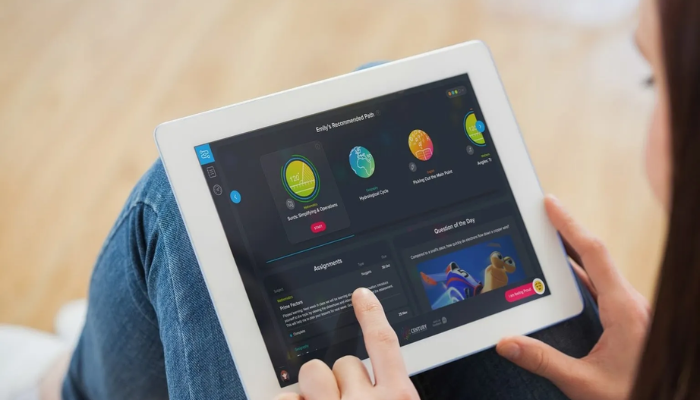
In today’s rapidly evolving digital landscape, centry tech has emerged as a powerful concept representing the convergence of innovation, intelligence, and advanced technological ecosystems. From artificial intelligence to cloud computing and automation, centry tech symbolizes the next generation of digital transformation that is reshaping how businesses operate, communicate, and grow. As industries shift toward smarter and more efficient systems, the importance of centry tech continues to expand across global markets.
What makes centry tech especially significant is its ability to integrate multiple technologies into unified, intelligent solutions. It is not just about isolated tools or software; instead, it represents a holistic approach to solving modern problems using data-driven insights, machine learning, and scalable infrastructure. This evolution is enabling companies to become more agile, competitive, and future-ready in an increasingly digital-first world.
What is Centry Tech and Why It Matters in the Digital Era
Centry tech can be understood as a modern framework of technological advancement that focuses on integrating emerging digital tools into cohesive systems. It represents a shift from traditional IT structures to intelligent ecosystems powered by automation, analytics, and connectivity. Businesses adopting centry tech aim to enhance efficiency, reduce operational costs, and improve decision-making through real-time data processing.
In the broader digital era, centry tech matters because it addresses the growing demand for smarter solutions in industries such as finance, healthcare, education, and manufacturing. Organizations are no longer satisfied with basic digital tools; they require systems that learn, adapt, and evolve. Centry tech provides this capability by combining artificial intelligence, Internet of Things (IoT), and cloud-based platforms into unified infrastructures.
Furthermore, centry tech plays a crucial role in digital transformation strategies. It enables companies to move away from outdated systems and adopt scalable, flexible architectures that support long-term innovation. This transition is essential for businesses that want to remain relevant in a highly competitive global market where technological disruption is constant.
Core Technologies Driving Centry Tech Innovation
At the heart of centry tech lies a combination of core technologies that work together to create intelligent systems. Artificial intelligence (AI) is one of the most significant drivers, enabling machines to analyze data, recognize patterns, and make decisions with minimal human intervention. AI-powered tools are now essential in automating tasks and improving operational efficiency across industries.
Another foundational element of centry tech is cloud computing. Cloud platforms provide scalable storage and computing power, allowing organizations to access data and applications from anywhere in the world. This flexibility supports remote work environments and global collaboration, making businesses more agile and responsive to change.
Additionally, centry tech heavily relies on IoT (Internet of Things) and big data analytics. IoT connects devices and systems, enabling seamless communication between physical and digital environments. Meanwhile, big data analytics processes vast amounts of information to generate actionable insights. Together, these technologies form the backbone of centry tech ecosystems, driving innovation and enabling smarter decision-making across industries.
Applications of Centry Tech Across Industries
The applications of centry tech span across multiple industries, transforming traditional operations into intelligent, data-driven systems. In healthcare, for example, centry tech enables predictive diagnostics, remote patient monitoring, and AI-assisted treatment planning. These innovations improve patient outcomes while reducing the burden on medical professionals.
In the financial sector, centry tech is revolutionizing banking and investment services through automated trading systems, fraud detection algorithms, and personalized financial planning tools. Banks and fintech companies are leveraging AI and machine learning to enhance security and deliver faster, more accurate services to customers.
Manufacturing and logistics are also benefiting significantly from centry tech. Smart factories powered by automation and robotics are increasing production efficiency while minimizing human error. Supply chain systems are becoming more transparent and efficient through real-time tracking and predictive analytics. This allows companies to optimize inventory, reduce costs, and improve delivery times.
Benefits and Challenges of Adopting Centry Tech Solutions
One of the primary benefits of centry tech is improved efficiency. By automating repetitive tasks and streamlining workflows, organizations can significantly reduce operational costs and increase productivity. Employees are able to focus on more strategic and creative tasks, leading to better overall performance.
Another major advantage is enhanced decision-making. Centry tech systems provide real-time data insights that help businesses make informed decisions quickly. This data-driven approach reduces uncertainty and improves accuracy in forecasting and planning. Additionally, scalability is a key benefit, as centry tech solutions can easily grow with the organization.
However, adopting centry tech also comes with challenges. One of the main concerns is cybersecurity. As systems become more interconnected, the risk of data breaches and cyberattacks increases. Organizations must invest heavily in security infrastructure to protect sensitive information. Another challenge is the high initial cost of implementation, which can be a barrier for small and medium-sized enterprises. Furthermore, there is a need for skilled professionals who can manage and maintain these advanced systems.
Future Trends and the Evolution of Centry Tech
The future of centry tech is expected to be shaped by continuous advancements in artificial intelligence, automation, and quantum computing. As AI becomes more sophisticated, centry tech systems will be able to perform increasingly complex tasks with greater accuracy and efficiency. This will further enhance automation across industries.
Another emerging trend is the rise of edge computing within centry tech ecosystems. Instead of relying solely on centralized cloud systems, edge computing processes data closer to the source, reducing latency and improving performance. This will be particularly important for real-time applications such as autonomous vehicles and smart cities.
Additionally, centry tech will play a key role in sustainable innovation. As environmental concerns grow, businesses will use advanced technologies to reduce energy consumption, optimize resource usage, and minimize waste. The integration of green technology with centry tech systems will help create more sustainable and eco-friendly industrial practices in the future.
Conclusion
In conclusion, centry tech represents a transformative approach to modern technology, combining intelligence, connectivity, and innovation into a unified ecosystem. Its impact spans across industries, enabling smarter operations, improved efficiency, and data-driven decision-making. While challenges such as cybersecurity and implementation costs exist, the long-term benefits far outweigh the drawbacks. As technology continues to evolve, centry tech will remain at the forefront of digital transformation, shaping the future of global industries and redefining how we interact with technology.
FAQs About Centry Tech
1. What is centry tech?
Centry tech refers to an integrated technological framework that combines AI, cloud computing, and IoT to create intelligent digital systems.
2. Why is centry tech important?
It is important because it helps businesses improve efficiency, automate processes, and make data-driven decisions.
3. Which industries use centry tech?
Industries like healthcare, finance, manufacturing, education, and logistics widely use centry tech solutions.
4. Is centry tech the same as digital transformation?
Not exactly. Centry tech is a part of digital transformation that focuses on advanced, integrated technologies.
5. What technologies are included in centry tech?
It includes AI, machine learning, cloud computing, IoT, big data analytics, and automation systems.
6. What are the benefits of centry tech?
Benefits include improved efficiency, better decision-making, scalability, and cost reduction.
7. What are the challenges of centry tech adoption?
Challenges include cybersecurity risks, high costs, and the need for skilled professionals.
8. How does centry tech impact businesses?
It helps businesses streamline operations, enhance productivity, and gain competitive advantages.
9. What is the future of centry tech?
The future includes advancements in AI, edge computing, and sustainable technology integration.
10. Can small businesses use centry tech?
Yes, but they may need scalable solutions due to initial cost and technical complexity.