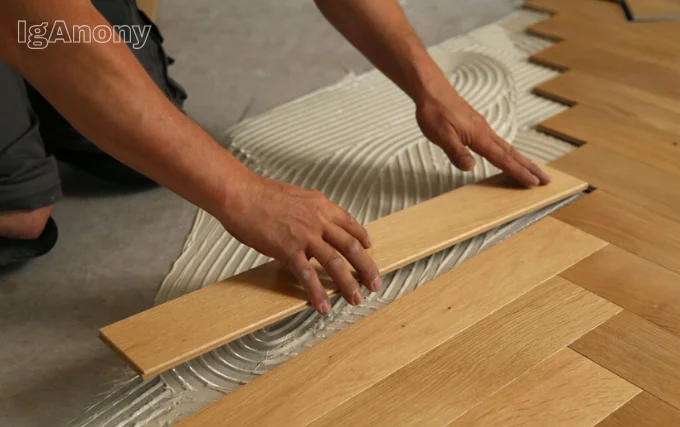
Oak Timber Flooring
Oak timber flooring has long been regarded as a benchmark of quality, durability, and timeless design in both residential and commercial interiors. Its natural strength, rich grain patterns, and versatile aesthetic make it a preferred choice for architects, designers, and property owners who value long-term performance as much as visual appeal. Whether installed in a modern home, a heritage renovation, or a high-traffic commercial environment, oak flooring offers a rare balance of elegance and resilience.
As sustainability and material authenticity become increasingly important in construction and interior design, oak timber flooring continues to stand out as a smart, future-proof investment. This article explores its defining characteristics, practical benefits, and real-world performance, helping you understand why oak remains one of the most trusted hardwood flooring options available today.
Understanding Oak Timber Flooring
Oak timber flooring is manufactured from oak hardwood, a slow-growing species known for its exceptional density, strength, and stability. These characteristics make oak highly resistant to wear, indentation, and daily impact, which is essential for flooring exposed to constant foot traffic. Oak is available in different species, most commonly European oak and American oak, each offering subtle differences in grain pattern, colour tone, and hardness. These natural variations give oak flooring its distinctive character while maintaining consistent structural reliability across installations.
Beyond its physical properties, oak timber flooring is valued for its adaptability across design styles. It complements both traditional and contemporary interiors, responding well to different finishes such as oiling, staining, or lacquering. The open grain structure allows finishes to penetrate deeply, enhancing longevity while highlighting natural beauty. This combination of performance and aesthetic flexibility explains why oak remains a cornerstone material in premium flooring solutions worldwide.
Benefits of Oak Timber Flooring in Residential Spaces
In residential settings, oak timber flooring offers an unmatched sense of warmth, comfort, and visual continuity. Its natural tones create inviting living spaces while maintaining a refined appearance that elevates overall property value. Oak flooring also improves indoor air quality by reducing allergens commonly trapped in carpets, making it a healthier choice for families. Its solid underfoot feel adds acoustic comfort, particularly when combined with proper subfloor preparation and insulation.
From a practical perspective, oak timber flooring is exceptionally family-friendly. It withstands the challenges of daily life, including furniture movement, pets, and fluctuating indoor conditions. Minor scratches or surface wear can be easily repaired through sanding and refinishing, allowing homeowners to refresh the floor without replacement. This renewability makes oak timber flooring a cost-effective long-term solution, delivering decades of service while adapting gracefully to evolving interior styles.
Performance of Oak Timber Flooring in Commercial Environments
Commercial spaces demand flooring materials that balance durability with professional aesthetics, and oak timber flooring meets both requirements with confidence. Offices, retail stores, hotels, and hospitality venues benefit from oak’s ability to handle sustained foot traffic without losing structural integrity. Its dense composition resists compression and surface breakdown, ensuring a polished appearance even under demanding conditions. With appropriate finishing systems, oak flooring can meet strict safety and performance standards.
Equally important is the impression oak timber flooring creates in commercial interiors. Natural wood conveys quality, credibility, and attention to detail—attributes that influence customer perception and employee wellbeing. Oak’s neutral yet sophisticated appearance allows it to integrate seamlessly with branding, lighting, and architectural features. When properly maintained, oak flooring offers commercial operators a durable, visually consistent surface that supports both functionality and brand image over the long term.
Types and Grades of Oak Timber Flooring
Oak timber flooring is available in multiple formats, including solid oak boards, engineered oak flooring, and parquet designs. Solid oak flooring is milled from a single piece of timber and offers maximum longevity, while engineered oak consists of a hardwood veneer bonded to layered plywood for enhanced dimensional stability. Engineered options are particularly suitable for environments with underfloor heating or varying humidity levels, expanding oak’s application range without compromising appearance.
Grading plays a crucial role in determining the final look of oak timber flooring. Select grades feature minimal knots and uniform grain patterns, ideal for clean, contemporary interiors. Character and rustic grades embrace natural variations, knots, and colour shifts, delivering a more organic and expressive aesthetic. Understanding these differences allows designers and property owners to choose oak flooring that aligns precisely with their visual goals and functional requirements.
Installation, Maintenance, and Long-Term Value
Proper installation is essential to unlocking the full performance potential of oak timber flooring. Accurate moisture assessment, subfloor preparation, and acclimatisation help prevent movement issues such as cupping or gapping. Professional installation ensures precise board alignment, secure fixing, and optimal expansion allowances. Whether installed as a floating, glued, or nailed system, oak flooring benefits significantly from expert handling during the initial fitting stage.
Maintenance of oak timber flooring is straightforward and cost-efficient. Regular sweeping, controlled humidity levels, and periodic re-oiling or resealing preserve both appearance and durability. Unlike synthetic alternatives, oak can be sanded and refinished multiple times, extending its usable lifespan far beyond most flooring materials. This ability to renew rather than replace enhances oak’s long-term value, making it a sustainable and economically sound flooring investment.
Conclusion: Investing in High-Quality Oak Timber Flooring
High-quality oak timber flooring represents more than a design choice—it is a strategic investment in durability, comfort, and timeless appeal. Its natural strength, aesthetic versatility, and adaptability across residential and commercial spaces position oak as one of the most reliable flooring materials available. From family homes to high-traffic commercial environments, oak consistently delivers performance without compromising visual integrity.
About the Author