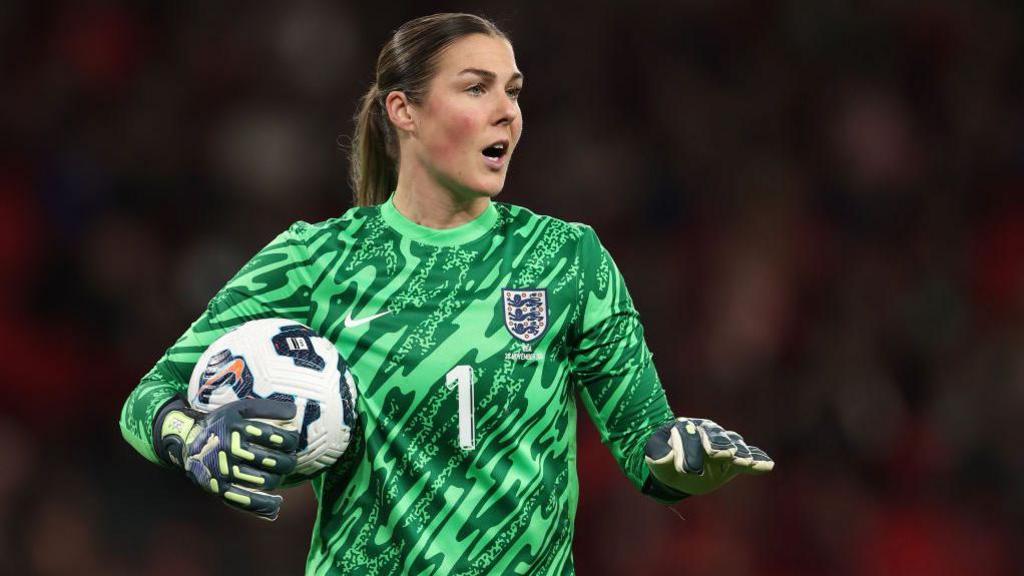
mary earps
The role of the goalkeeper has changed more in the past decade than in almost any other era of football history. No longer confined to reactive shot-stopping, today’s elite keepers are tactical thinkers, vocal leaders, and technically refined athletes. At the center of this transformation stands Mary Earps, a player whose career reflects both personal excellence and a broader shift in how goalkeeping is understood and taught. Her rise has coincided with a new appreciation for the goalkeeper as a complete footballer rather than a specialist on the margins of the game.
This article explores how Mary Earps embodies the evolution of modern goalkeeping. By examining her technical development, mental approach, leadership qualities, and wider influence on the sport, we can better understand how the position itself has been redefined. For players, coaches, and fans alike, her story offers valuable insight into where goalkeeping has been and where it is heading.
The Rise of Mary Earps in Elite Football
Mary Earps’ journey to the top of international football was built on persistence, adaptability, and steady refinement rather than overnight success. Early in her career, she experienced frequent club changes and periods of limited recognition, which forced her to develop resilience and self-awareness. These formative years sharpened her understanding of the game and encouraged a growth mindset that would later define her performances on the biggest stages. Rather than relying solely on natural ability, Mary Earps focused on mastering fundamentals while staying open to evolving tactical demands.
Her breakthrough at the highest level came through consistency and trustworthiness, qualities that modern coaches value deeply in goalkeepers. As she established herself for club and country, her calm presence and reliable decision-making stood out. Mary Earps became a symbol of stability in defensive systems, demonstrating how preparation and discipline can elevate a goalkeeper’s influence. Her rise mirrors a broader professionalization within women’s football, where long-term development and performance metrics increasingly shape success.
Technical Evolution in Modern Goalkeeping
The technical demands placed on goalkeepers today extend far beyond traditional shot-stopping, and Mary Earps exemplifies this expanded skill set. Modern goalkeeping requires precision footwork, confident distribution, and intelligent positioning to support high defensive lines. Earps’ ability to play out from the back under pressure reflects an understanding of angles, passing lanes, and tempo control. These qualities allow her teams to maintain possession and initiate attacks, transforming the goalkeeper into the first point of build-up rather than the last line of defense.
Equally important is her command of space within the penalty area. Mary Earps demonstrates exceptional timing when coming off her line, reducing shooting angles without overcommitting. This balance between aggression and restraint is a hallmark of elite goalkeeping in the modern era. By blending classic techniques with contemporary tactical awareness, she illustrates how the position has become more proactive, demanding continuous reading of the game rather than isolated moments of reaction.
The Mental and Psychological Demands of the Position
Goalkeeping has always been mentally demanding, but the modern game amplifies psychological pressure through constant involvement and scrutiny. Mary Earps has spoken openly about confidence, self-belief, and the importance of mental resilience, offering a transparent look into the mindset required at the top level. Her performances show an ability to reset quickly after mistakes, a crucial trait in a position where errors are highly visible and often decisive.
Beyond individual resilience, Mary Earps demonstrates emotional intelligence in managing defensive relationships. Clear communication, trust-building, and composure under pressure help organize back lines and reduce collective anxiety. This mental leadership allows defenders to play with greater confidence, knowing the goalkeeper is fully engaged. In modern football, where tactical systems rely on synchronization and trust, the psychological presence of a goalkeeper like Earps can be just as influential as technical excellence.
Training, Data, and the Pursuit of Marginal Gains
The evolution of goalkeeping is closely tied to advances in training methodology, sports science, and data analysis, areas where Mary Earps has fully embraced innovation. Modern goalkeepers analyze opponents’ shooting patterns, preferred angles, and tendencies using detailed performance data. Earps’ preparation reflects this analytical approach, enabling her to anticipate scenarios rather than rely purely on instinct. This blend of data-informed insight and real-time decision-making represents a significant shift from traditional training models.
On the training ground, emphasis has moved toward replicating match-specific situations at high intensity. Mary Earps’ routines include reaction drills, footwork under fatigue, and distribution exercises that mirror tactical demands. Attention to recovery, nutrition, and mental conditioning further supports sustained performance. By committing to incremental improvements across multiple areas, she embodies the marginal gains philosophy that defines elite modern goalkeeping and separates consistency from occasional brilliance.
Mary Earps and the Visibility of Women’s Goalkeeping
Mary Earps’ impact extends beyond performance metrics into the cultural visibility of women’s football and goalkeeping in particular. Her success has helped challenge outdated perceptions that once limited recognition for goalkeepers, especially in the women’s game. Through high-profile tournaments and individual accolades, she has drawn attention to the technical and tactical sophistication required in the position. This visibility encourages deeper analysis and appreciation among fans, media, and aspiring players.
Her openness in discussing professional standards, equal treatment, and respect for the role has also influenced broader conversations within the sport. Mary Earps represents a generation of athletes who combine elite performance with advocacy, using their platforms to elevate the game’s credibility. As more young players see goalkeeping presented as a dynamic, respected position, the talent pipeline strengthens, reinforcing long-term development across all levels of women’s football.
Conclusion: What Mary Earps Represents for the Future of Goalkeeping
Mary Earps stands as a defining figure in the ongoing evolution of modern goalkeeping, not because she fits a trend, but because she helps shape it. Her career highlights the integration of technical mastery, psychological resilience, and tactical intelligence that now define the position. By excelling in these areas simultaneously, she demonstrates that goalkeeping is no longer a reactive role but an active, strategic component of team success.
About the Author