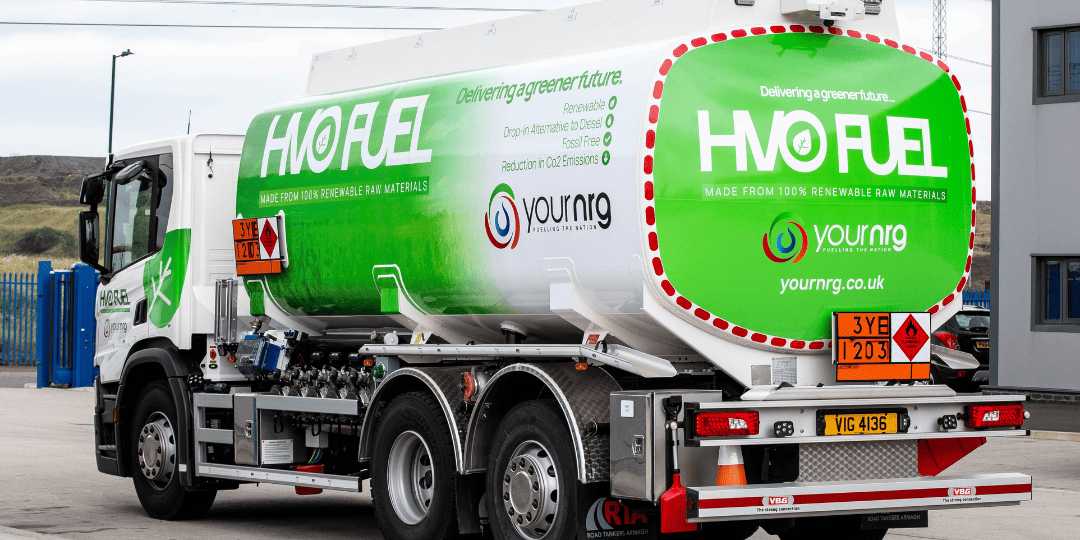
hvo fuel
The global transportation sector is under increasing pressure to reduce emissions without compromising reliability, performance, or economic viability. As governments, fleet operators, and consumers search for practical low-carbon solutions, renewable fuels have moved from niche alternatives to mainstream options. Among them, hvo fuel has emerged as a standout candidate, offering significant emissions reductions while working seamlessly with existing diesel infrastructure.
Unlike experimental technologies that require costly vehicle replacements, hvo fuel provides an immediate pathway to cleaner transport. It is already being used in road transport, construction, marine applications, and backup power generation across many regions. This article explores what hvo fuel is, how it is produced, and why it plays a critical role in the transition toward low-carbon transportation systems worldwide.
What Is HVO Fuel?
HVO fuel, short for Hydrotreated Vegetable Oil fuel, is a renewable diesel alternative produced from sustainable raw materials such as waste vegetable oils, animal fats, and other residual biomass. Despite its name, it is chemically distinct from conventional biodiesel, as it undergoes a hydrotreatment process that removes oxygen and impurities. The result is a high-quality, paraffinic fuel that closely resembles fossil diesel at a molecular level.
What sets hvo fuel apart is its drop-in capability. It meets international fuel standards such as EN 15940, allowing it to be used directly in existing diesel engines without modifications. This compatibility makes it attractive for operators seeking immediate carbon reductions. Because it burns cleaner than traditional diesel, hvo fuel also produces fewer particulates and nitrogen oxides, supporting both climate goals and improved local air quality.
How HVO Fuel Is Produced
The production of hvo fuel relies on a sophisticated hydrotreatment process that converts renewable feedstocks into a stable, energy-dense fuel. During this process, hydrogen is applied at high pressure and temperature to remove oxygen, sulfur, and nitrogen from the raw materials. This chemical transformation creates hydrocarbons that are nearly identical to those found in fossil diesel, but with a much cleaner composition.
Feedstock flexibility is a major advantage of hvo fuel production. By using waste and residue-based materials rather than food crops, producers can significantly reduce lifecycle greenhouse gas emissions. Advanced refineries also integrate renewable hydrogen and energy-efficient systems to further improve sustainability. As production technology evolves, hvo fuel continues to achieve better yields, lower emissions, and greater consistency, strengthening its position as a scalable renewable fuel solution.
Environmental Benefits of HVO Fuel
One of the strongest arguments for adopting hvo fuel is its impressive environmental performance. When assessed on a lifecycle basis, hvo fuel can reduce greenhouse gas emissions by up to 90 percent compared to conventional diesel, depending on the feedstock used. These reductions include emissions from raw material sourcing, processing, distribution, and final combustion, offering a comprehensive climate benefit.
Beyond carbon savings, hvo fuel contributes to cleaner air. Its near-zero sulfur and aromatic content lead to lower emissions of particulate matter and carbon monoxide. This makes it particularly valuable in urban environments and regulated zones where air quality standards are increasingly strict. By combining climate benefits with local pollution reduction, hvo fuel addresses both global and community-level environmental challenges.
Performance and Compatibility in Existing Engines
From a technical standpoint, hvo fuel delivers excellent performance in modern and older diesel engines alike. Its high cetane number improves ignition quality, resulting in smoother combustion, reduced engine noise, and more efficient cold starts. These characteristics can enhance driving comfort while also contributing to improved engine reliability over time.
Crucially, hvo fuel is fully compatible with existing diesel engines, fuel systems, and storage infrastructure when approved by manufacturers. This eliminates the need for costly retrofits or operational changes, making adoption straightforward for fleets. Many engine manufacturers already endorse hvo fuel for use across a wide range of applications, reinforcing its status as a practical, low-risk option for immediate emissions reduction.
HVO Fuel in the Global Energy Transition
As countries commit to net-zero targets, hvo fuel plays a strategic role in bridging the gap between fossil fuels and future zero-emission technologies. While electric and hydrogen-powered vehicles are advancing rapidly, they cannot yet replace diesel across all heavy-duty and long-distance applications. HVO fuel provides an effective interim solution that delivers immediate climate benefits using existing assets.
Policy frameworks and incentives are accelerating the adoption of hvo fuel worldwide. Renewable fuel standards, carbon pricing mechanisms, and corporate sustainability commitments are driving demand across logistics, public transport, and industrial sectors. By enabling rapid decarbonization without disrupting operations, hvo fuel supports a pragmatic and inclusive approach to the energy transition, especially where alternatives remain technically or economically challenging.
Conclusion: The Future of HVO Fuel in Low-Carbon Transportation
HVO fuel represents a rare combination of environmental performance, technical reliability, and real-world practicality. Its ability to dramatically reduce greenhouse gas emissions while functioning as a direct replacement for fossil diesel makes it uniquely valuable in today’s transportation landscape. For fleet operators and policymakers alike, hvo fuel offers a proven pathway to achieve near-term climate goals without sacrificing efficiency or reliability.
About the Author